My father often said this to my brother and me. He encouraged us to understand things deeply and commit ourselves to whatever we chose to pursue.
A farmer with a legal background, he introduced me to reasoned argument, machinery and long-term thinking. On a family estate, a decision affects the next harvest and the ones that follow.
My mother, a law professor and visual artist, taught me to pay attention to images, memory and other people. Before I first moved abroad, she read me a poem by Kipling. I still associate that moment with patience, integrity and the ability to remain sensitive through uncertainty.
Learning, travel and debate were part of family life. My parents supported our entrepreneurial ambitions while asking us to defend our ideas and put them into practice.
They taught me to see inheritance as a responsibility: to care for what we receive, keep it alive and consider what we will pass on.
Two perspectives, one curiosity.
Machines · paternal influencesThe controls of a semi-automatic filling machine; one of the recent additions to the estate’s newly installed pressing unit.Machines · paternal influencesA tractor’s seat.Machines · paternal influencesA vehicle bearing traces of work at the estate.Artworks · maternal influencesA performance scene with a red basin.Artworks · maternal influencesA portrait beneath a cloth embroidered with flowers.Artworks · maternal influencesTarz — Tisser le temps, 2015. Archive and embroidery.
02
Understanding why people choose.
Toulouse CapitoleEuropean Communication School
I began studying law because I was drawn to lawyers’ ability to defend an idea and persuade an audience.
My interest in communications and marketing grew from observing brands that could move beyond their original product category to create desirable worlds. By working backwards through their strategies, I began exploring consumer psychology: desire, prestige, scarcity, belonging and perceived value.
I wanted to understand how a brand builds equity, extends its world and makes part of its promise accessible without losing its distinctiveness. This personal research connected with my interest in persuasion and interpersonal dynamics. It helped guide me towards communications studies in Toulouse and Paris.
Beyond desire, I wanted to understand how an offer becomes useful, earns its audience’s trust and generates the revenue needed to grow.
I moved into independent consulting. In Tunisia, I supported a medical tourism startup with positioning and business development. In Montreal, I worked with an audiovisual production business on offers, client acquisition and art direction, including projects around combat sports.
These experiences taught me to connect creative intent with commercial realities. They also broadened my question: how can products, services, experiences and the organisation behind them give a brand a lasting place in people’s lives? REBIAA would make that question tangible.
Montreal · art direction, camera work and combat sports content.
03
Learning alongside experienced practitioners.
My mother introduced me to Philippe Xerri, founder and artistic director of Rock The Kasbah, to explore markets and new products for REBIAA. An initial olive-wood gift box proposal did not go ahead. Observing materials and his work nevertheless informed my approach to objects and, later, my own gift boxes.
Philippe also designed my personal living studio, converting a former family garage as part of a wider renovation of our home. I contributed to project coordination and followed up on some implementation decisions. From structural work to fit-out, I learned about construction sequencing and its consequences. I now live in this space: using and maintaining it extends that learning well beyond the building work.
04
Designing, commissioning, learning through use.
For this studio, I designed a table, a small seat and a bench, with storage intended in both seats. The smaller seat fits beneath the table; together, they can be stored under my desk. This nesting arrangement responds to the constraints of a compact space.
I used Gemini to develop my proposals and prepare the technical sheets sent to the partner who manufactured the furniture.
Discrepancies found on delivery, particularly in the finishes, made me more attentive to the conditions that preserve design intent through production: approving materials, documenting changes, scheduling interim checks and formalising acceptance. These are practices I want to develop.
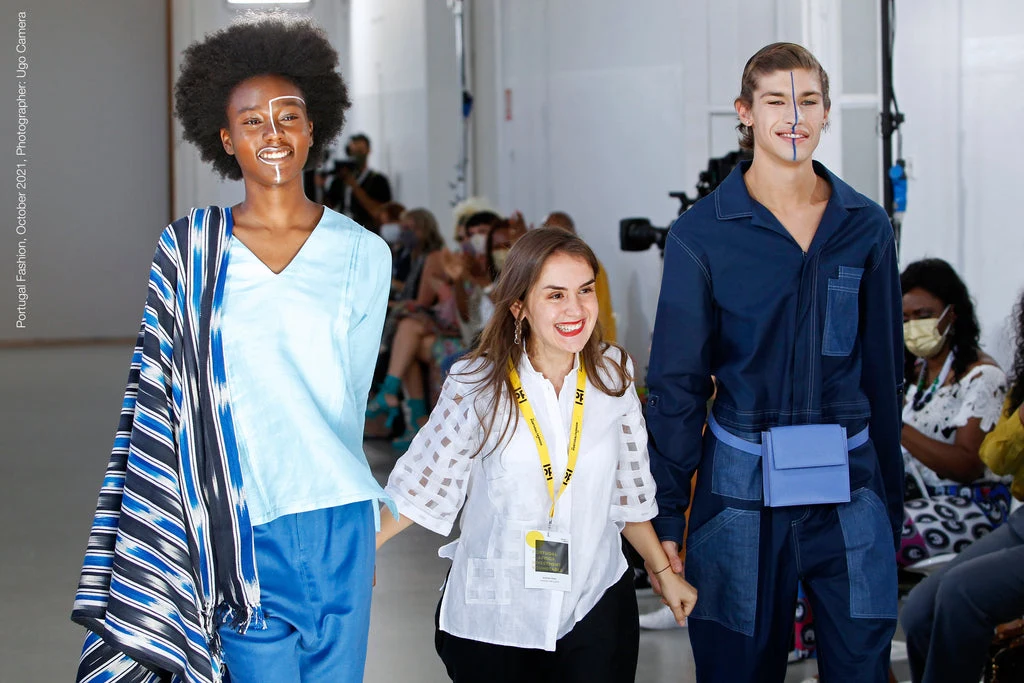
A leather bag project led me to explore form, materials and manufacturing constraints. I discussed it with Anissa Meddeb, founder of ANISSA AIDA, whom I met at an exhibition of my mother’s work. We later discussed a possible wardrobe commission for REBIAA staff, without taking it further. This intention is distinct from the capsule collection and estate fashion show we considered but did not realise.
With architect and designer Hassene Jeljeli, I contributed to the conception and co-direction of the REBIAA mill’s spatial organisation. Connecting equipment, circulation and operations helped me approach a space through the way it works.
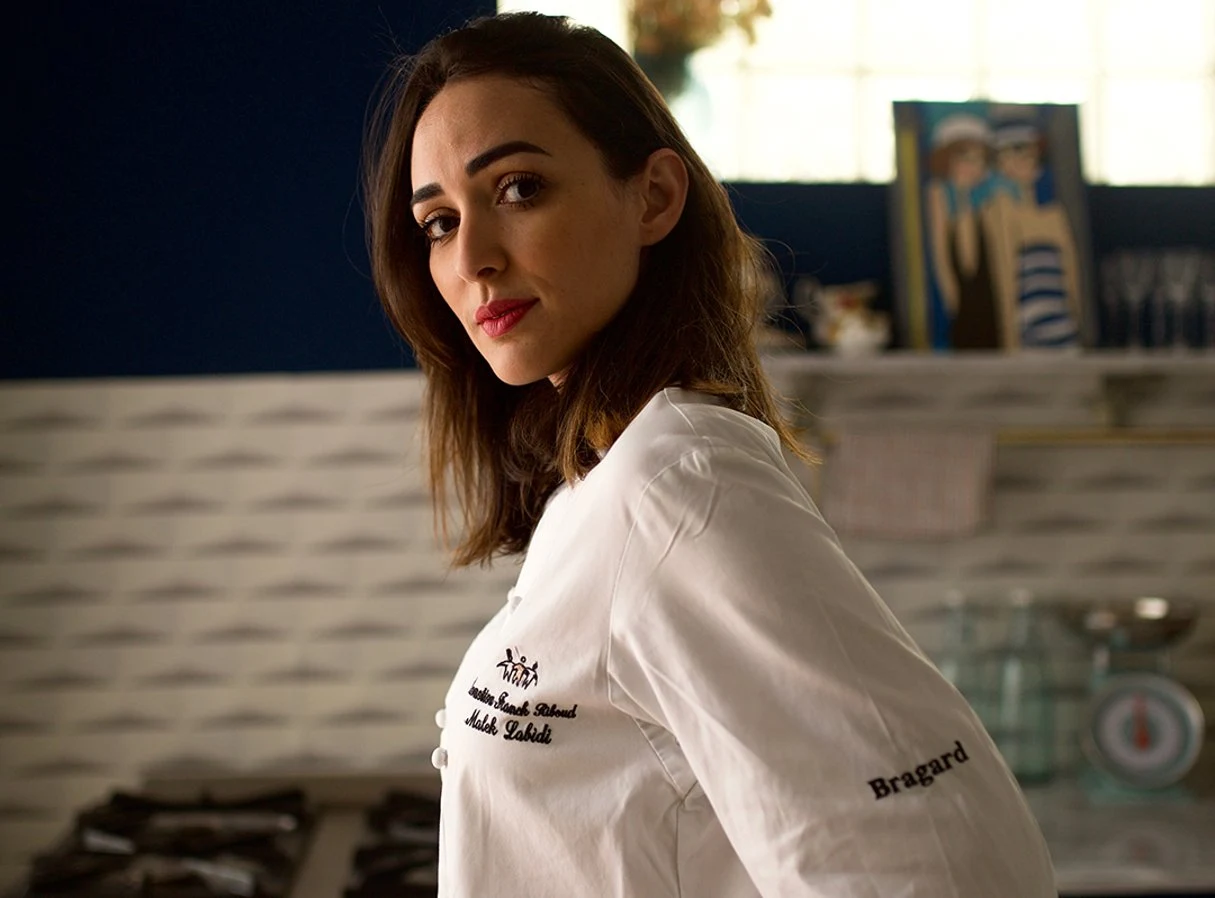
Chef and author Malek Laâbidi, whose work documents Tunisian culinary heritage, invited me to present REBIAA oils at an event. Our exchanges developed into informal mentorship. She taught me to clarify an experience’s objectives — commercial, cultural or relational — and to start with the people I want to serve.
She also encouraged my idea for a tasting box for chefs. That exchange reinforced a question that guides my projects: what value can I offer, to whom, and how can its effects be assessed?
Encounters that have shaped my approach to objects, spaces and experiences.
1 / 5
Design and art direction · Rock The Kasbah
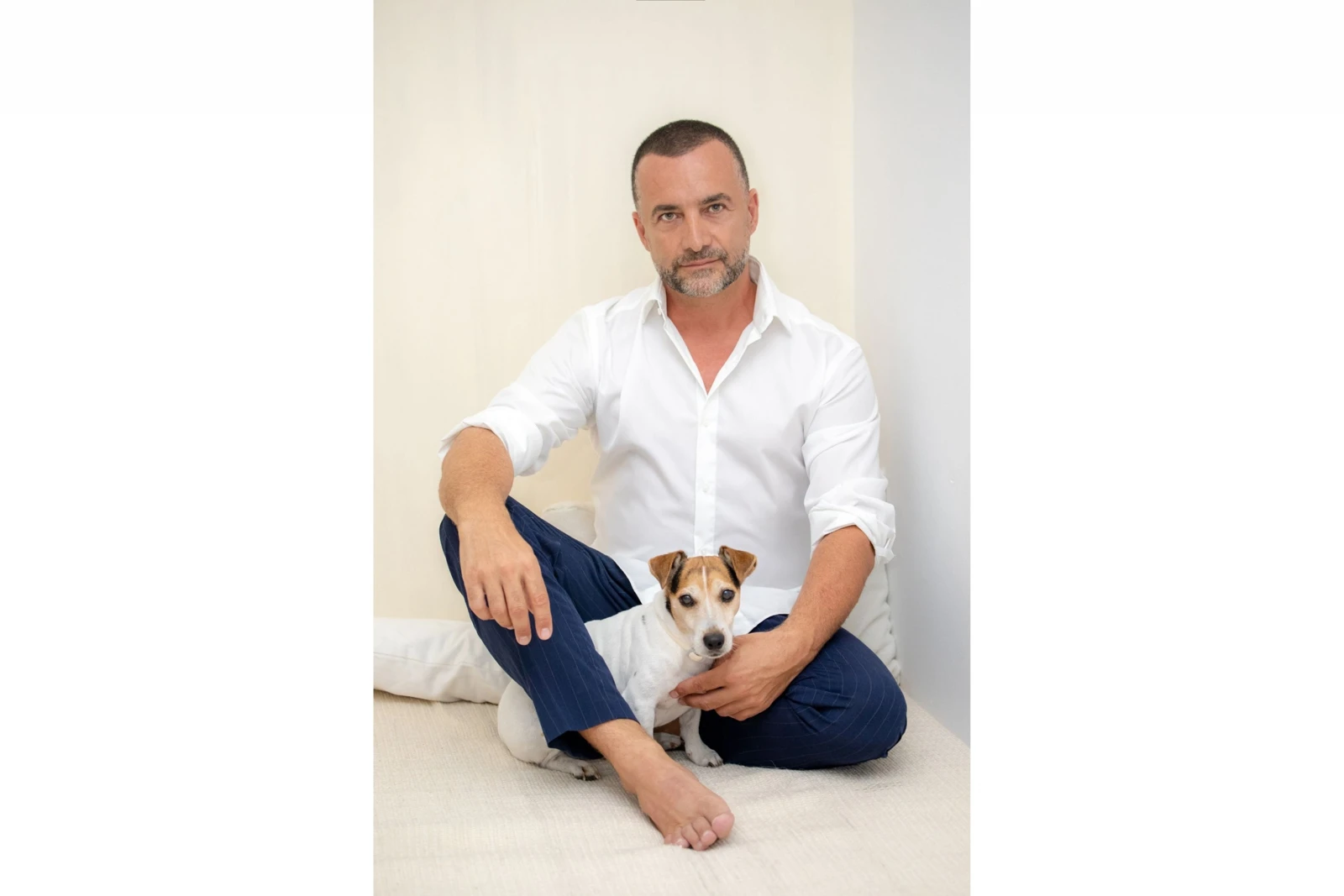
Philippe Xerri
Observing materials, living with a project.
Observing his work and materials informed my own gift boxes. Philippe later designed my studio: helping coordinate the project, then living in it, extended that learning to the scale of a space.
Our discussions about my leather bag project also covered a possible clothing commission for REBIAA staff, which remained at the discussion stage. These exchanges accompanied my exploration of form, materials and fabrication constraints.
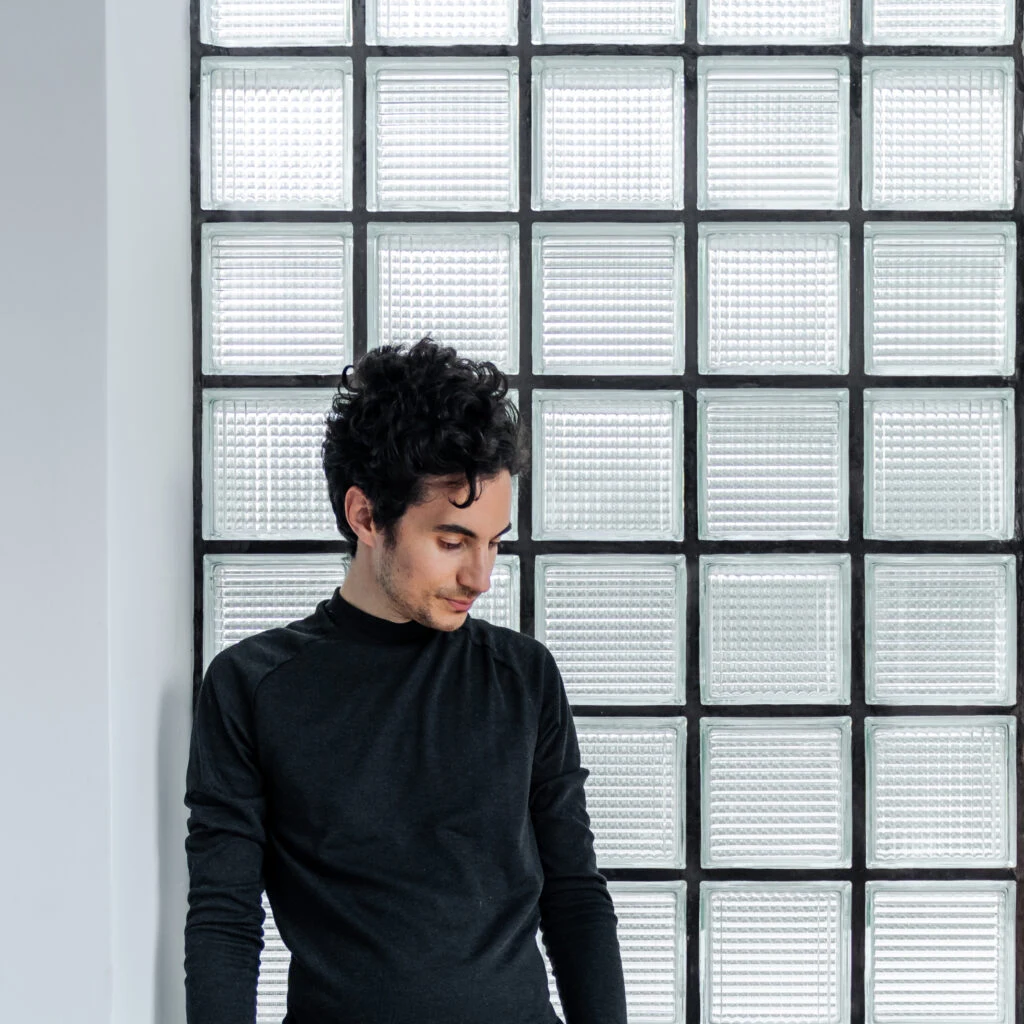
With Hassene, I participated in designing the spatial organisation of the REBIAA mill. This work led me to consider equipment, circulation, operations and reception together. We also worked on a display stand for the bottles.
Source: Jeljeli Studio · photographer not named on the consulted page · Photograph source
Gastronomy
Malek Laâbidi
Clarifying who an experience is for.
After she invited me to present REBIAA oils at an event, our exchanges developed into informal mentorship. Malek helped me clarify the audiences, objectives and value of a tasting experience.
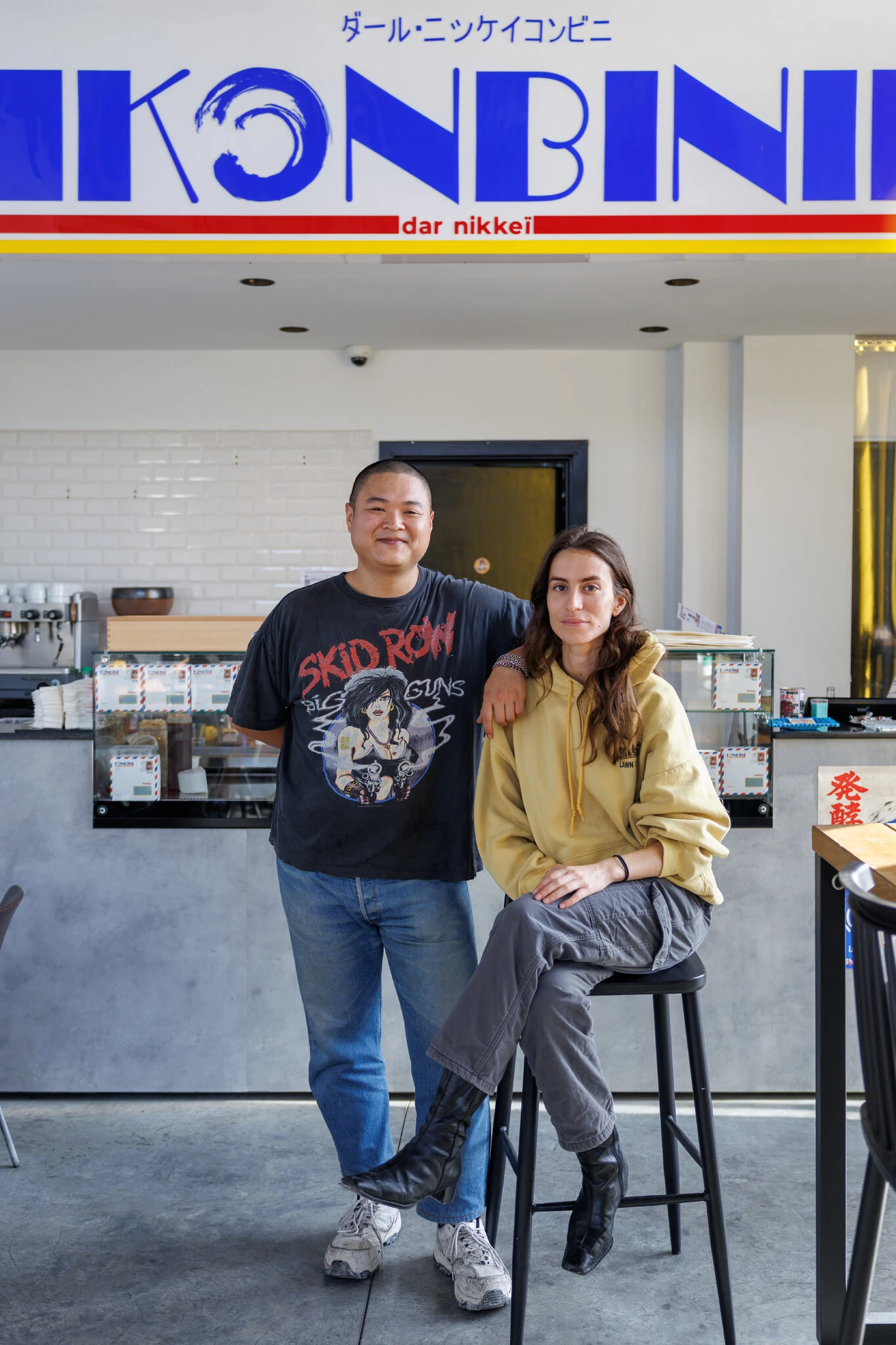
I approached Chánh and Shérine for Kizuna, a proposal bringing together Tunisian and Japanese heritage, gastronomy, fashion, objects and spaces. The project was not realised. It informs my thinking about the conditions needed to bring different areas of expertise together around a shared intention.
In 2025, Salah Hannachi, Tunisia’s former ambassador to Japan, personally invited me to explore a contribution to Tunisia’s presence at the Osaka World Expo. I imagined Kizuna, bringing Tunisian and Japanese heritage into dialogue through food, fashion, objects and spaces. I approached Anissa Meddeb, Hassene Jeljeli, and Chánh Võ and Shérine Ben Salem around their Konbini Café project.
Kizuna was not realised. The exploration highlighted the distance between imagining a collective proposition, approaching the right specialists and securing the commitments, resources and responsibilities needed to deliver it.
Throughout these experiences, observing practitioners informed my own experiments. Applying their lessons and comparing intentions with outcomes helped me begin to integrate them into my practice. This progression informs my research into Second Nature: how can knowledge be preserved and connected to develop the ability to act?
I want to bring greater methodological rigour to this multidisciplinary experience. The programme and placement are opportunities to deepen research, prototyping and evaluation, with the ambition to progress towards venture design and venture building.
Kizuna — unrealised proposal.
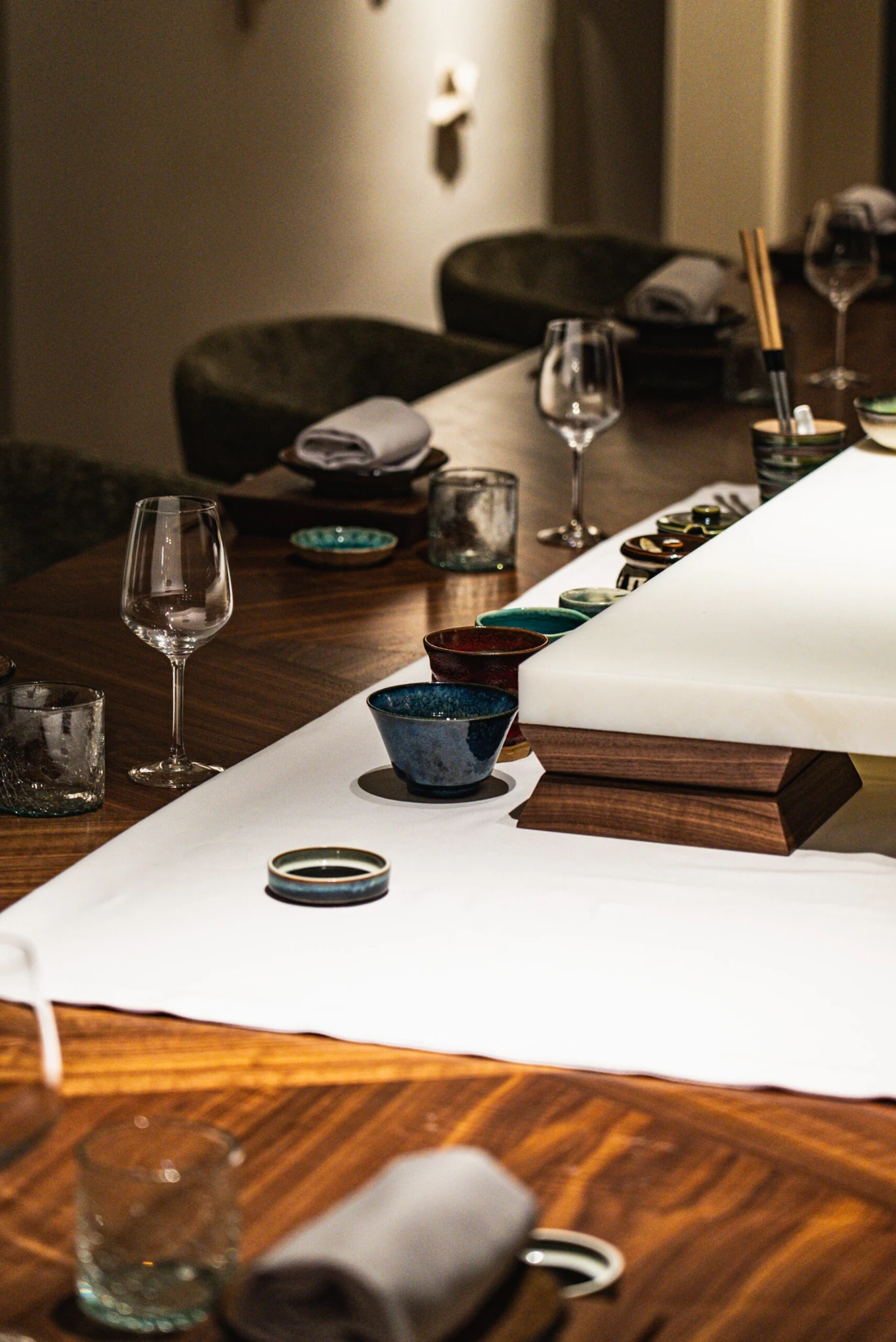
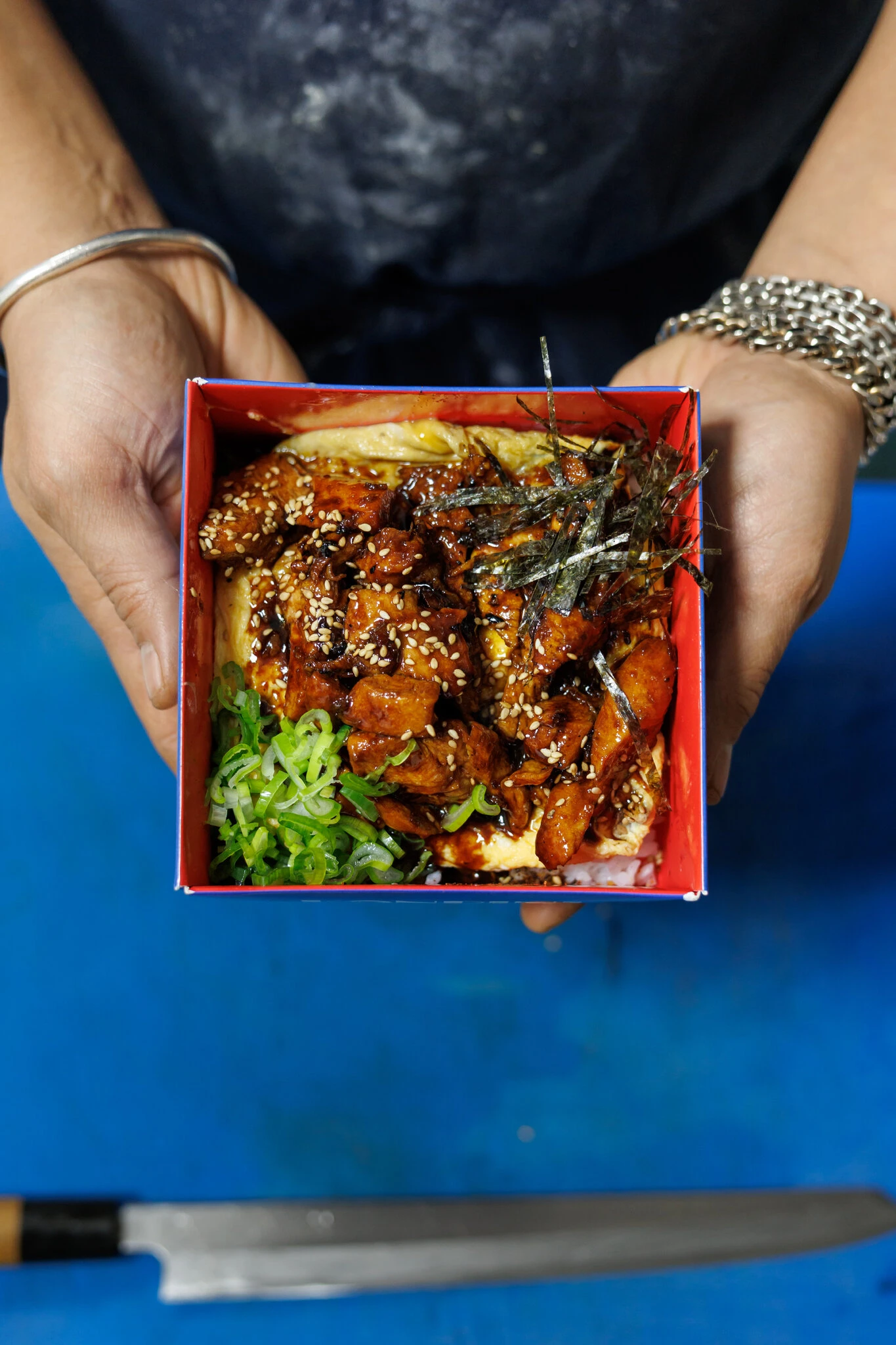
Photographs: Konbini Café / dar nikkeï website.
Expo 2025 Osaka, Kansai, Japan · context for the Kizuna proposal. Expo 2025